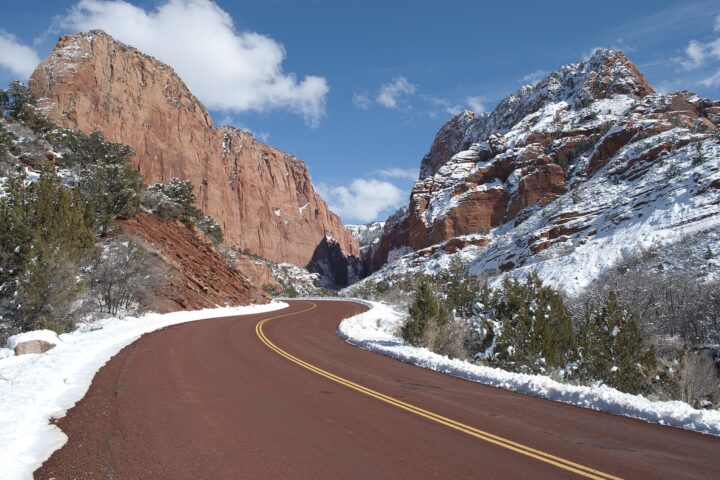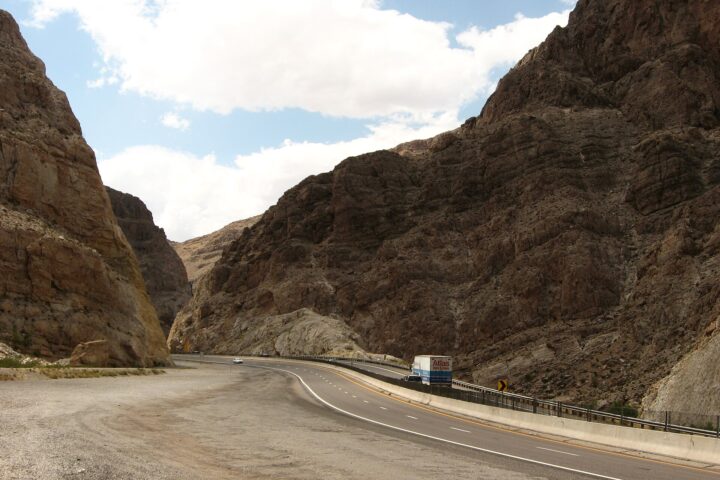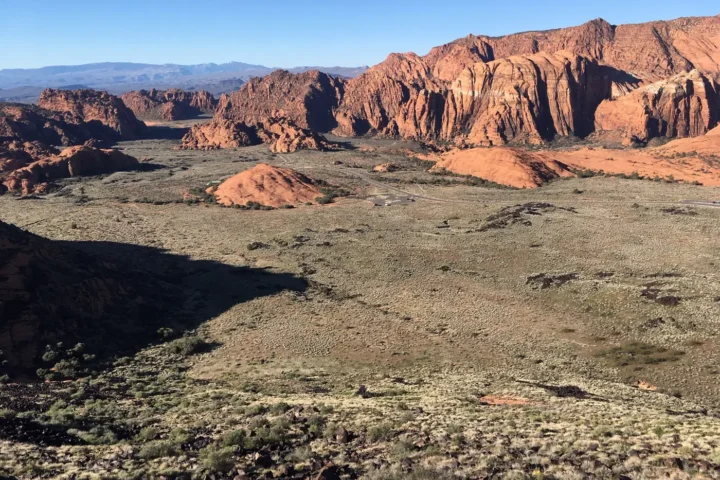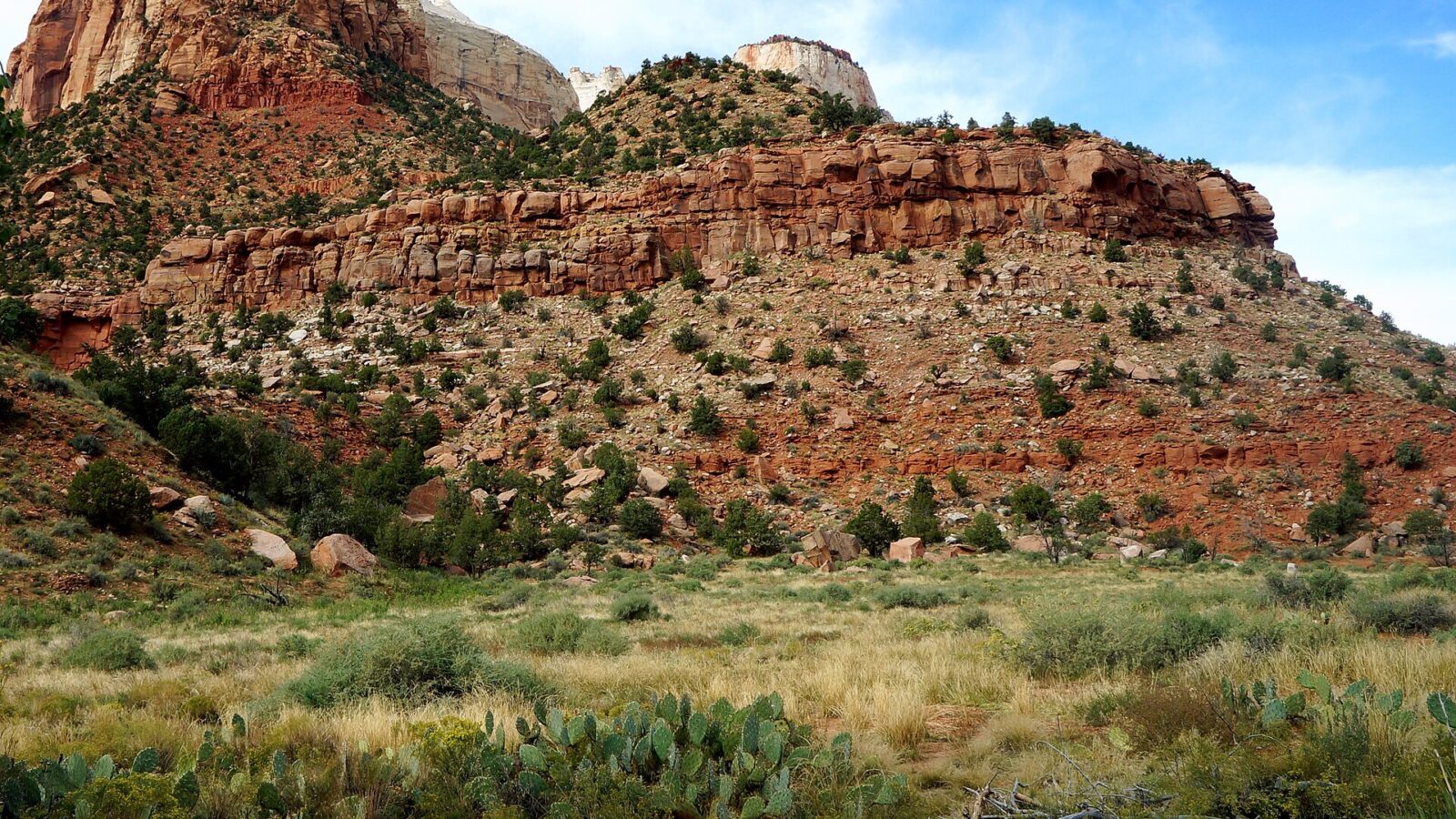
A Utah national parks road trip links Arches, Canyonlands, Capitol Reef, Bryce Canyon and Zion — Utah’s “Mighty 5” — into one loop of roughly 400–500 miles, almost all of it on paved highway. Most travelers fly into Las Vegas or Salt Lake City, rent a car, and drive the loop over 7 to 10 days, hitting iconic stops like Delicate Arch, Mesa Arch, the Capitol Reef orchards, the Bryce Amphitheater and Zion’s Narrows along the way. This guide lays out a practical route, a day-by-day itinerary, real driving times, current entrance fees and permit rules, and the detours worth the extra hour.
Table of Contents
- What Is Utah’s “Mighty 5” Road Trip?
- How Many Days Do You Need?
- Planning Your Route: Where to Start and Which Direction to Drive
- A 7-Day Utah National Parks Road Trip Itinerary
- Driving Times and Distances Between the Parks
- Best Time of Year to Go
- Entrance Fees, Permits and the America the Beautiful Pass
- Where to Stay Along the Route
- Scenic Detours Worth the Extra Time
- What to Pack and Practical Driving Tips
- Frequently Asked Questions
What Is Utah’s “Mighty 5” Road Trip?
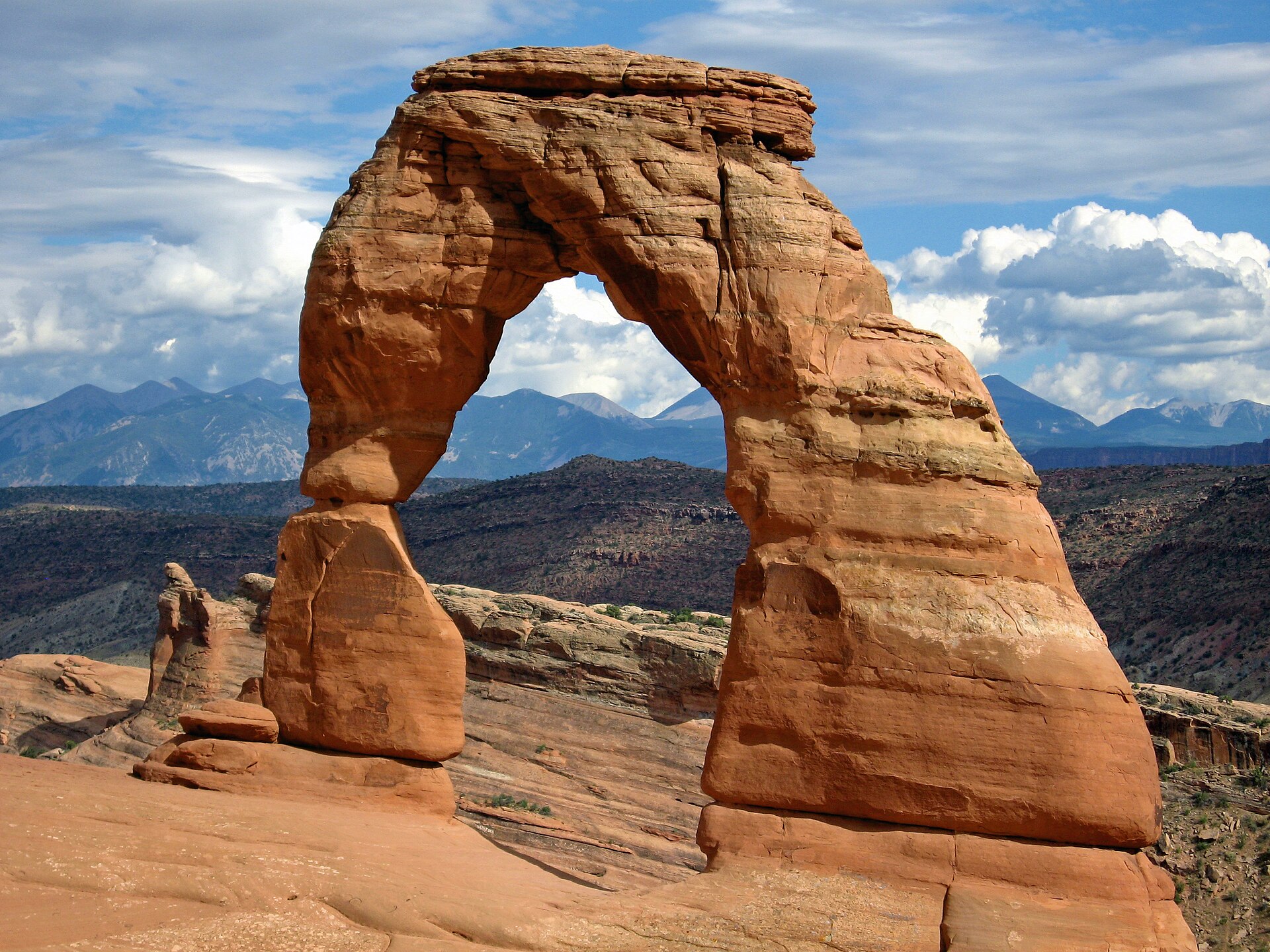
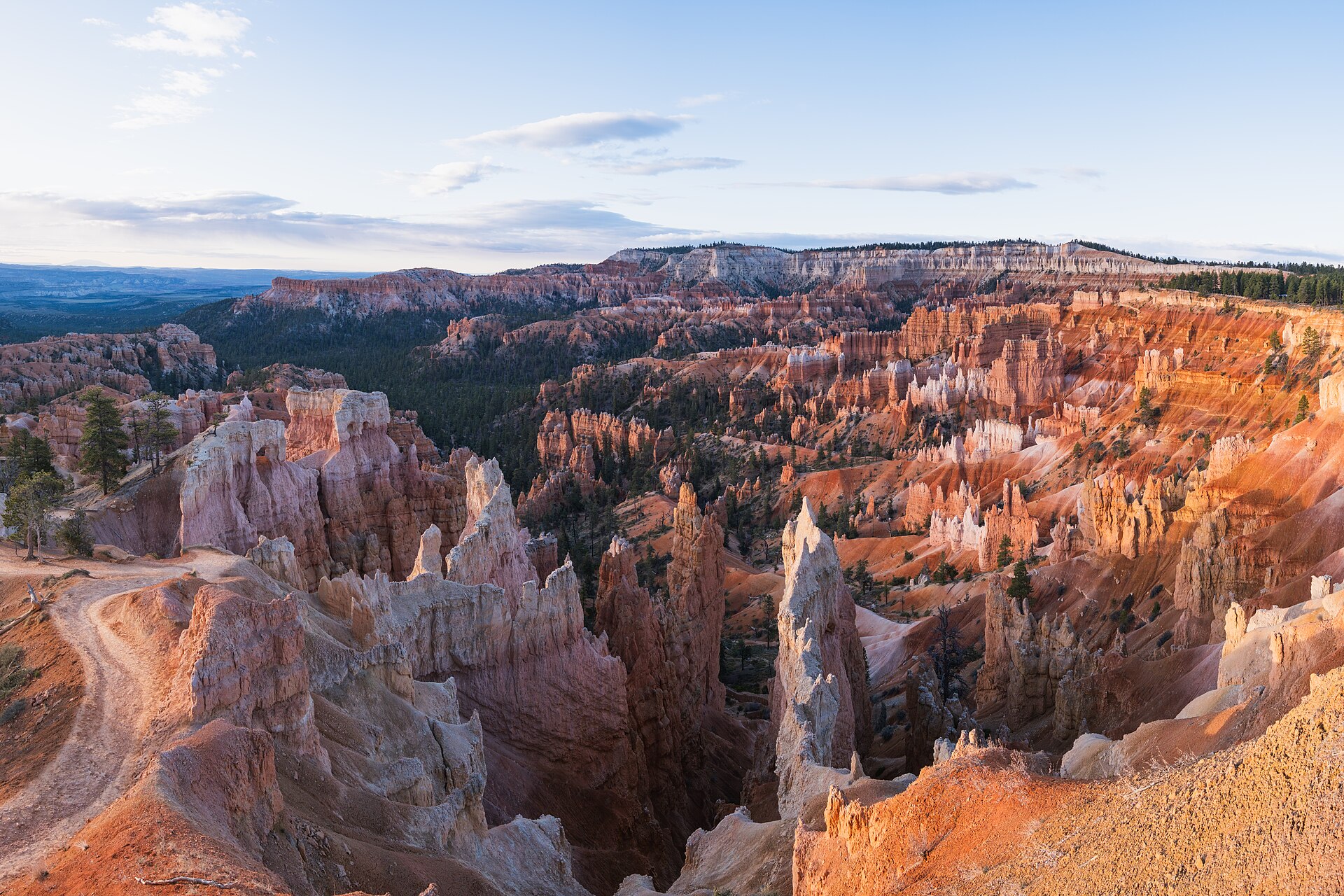
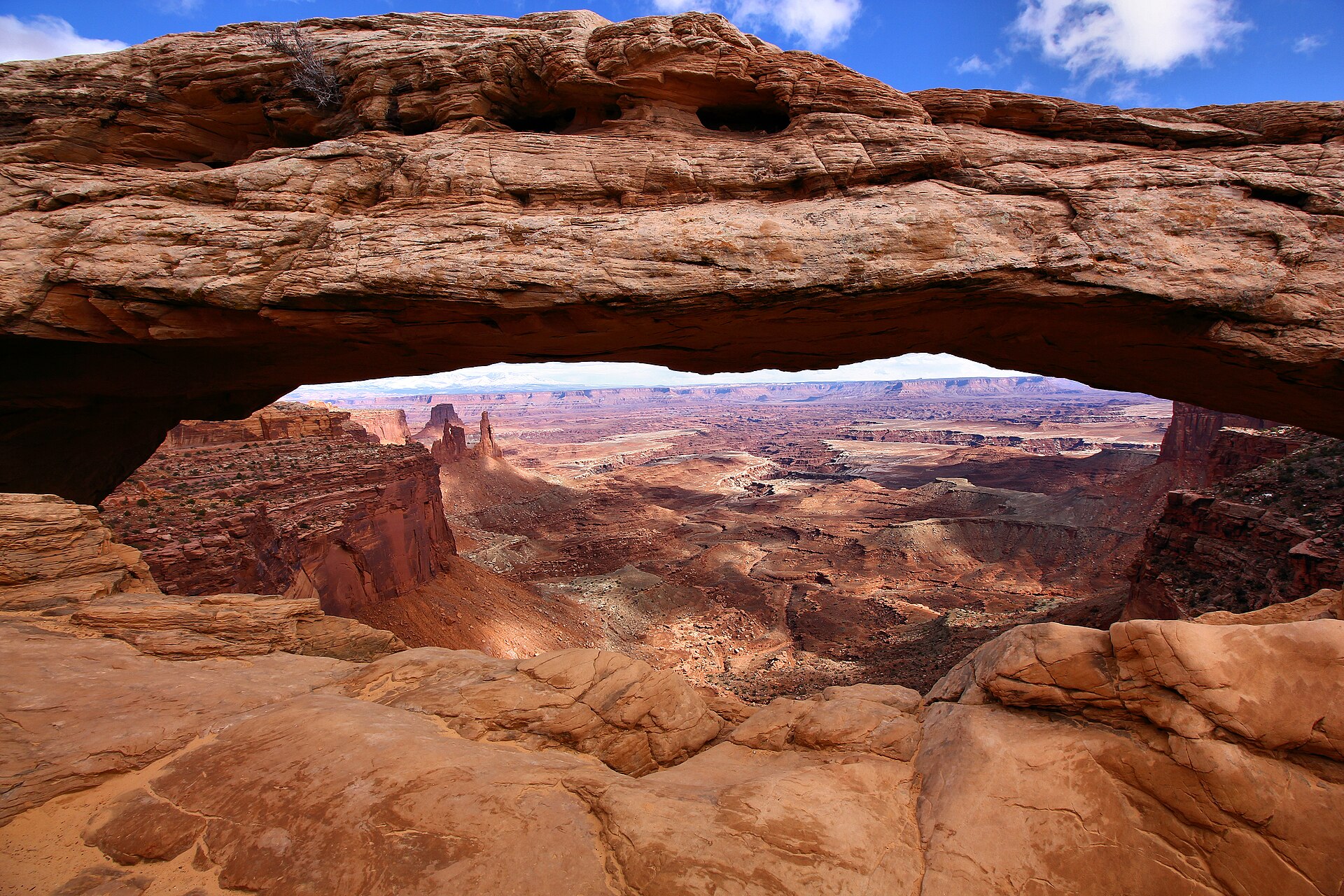
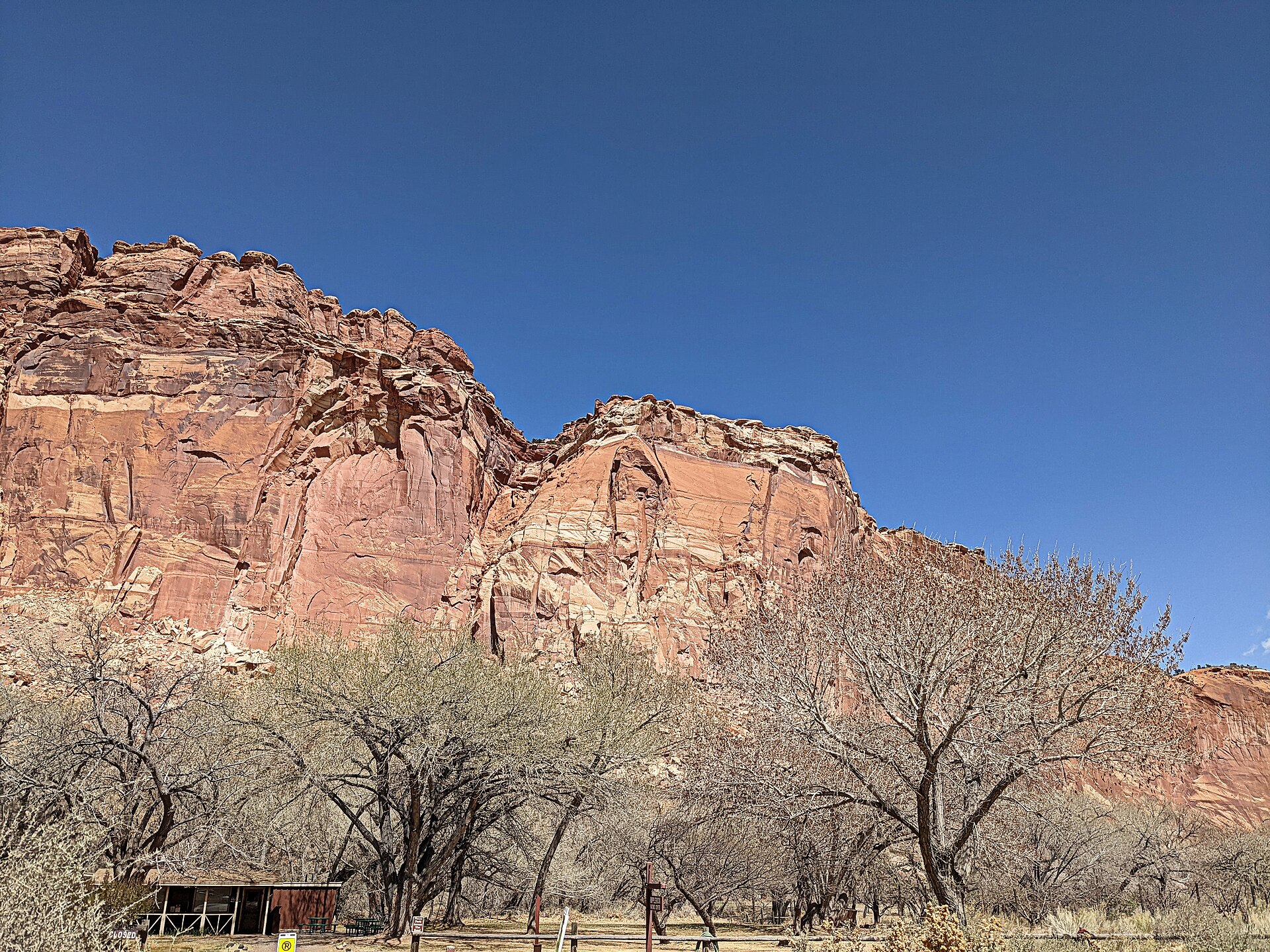
The “Mighty 5” is Utah’s own marketing name for its five national parks — Arches, Canyonlands, Capitol Reef, Bryce Canyon and Zion — all in the southern half of the state and close enough together to link into a single utah national parks road trip. Each park looks nothing like the others: Arches is a dense cluster of sandstone arches around Moab, Canyonlands is a sweeping canyon-and-mesa landscape split into districts, Capitol Reef is a 100-mile rock fold with historic orchards, Bryce Canyon is a forest of orange hoodoos above 8,000 feet, and Zion is a deep, narrow canyon carved by the Virgin River. Driving them in order turns five separate trips into one efficient loop.
How Many Days Do You Need?
Seven days is the practical minimum for a utah mighty 5 itinerary that includes a real day (not just a drive-by) at each park. Five days is possible but means long driving days with barely a few hours in each location. Ten to twelve days lets you add slower-paced extras — Grand Staircase-Escalante, Monument Valley, or a rest day in Moab — without feeling rushed. As a rule of thumb: budget 1–2 full days per park, plus the driving legs between them, and build in at least one buffer day in case of weather, trail closures, or a park you fall in love with.
Planning Your Route: Where to Start and Which Direction to Drive
Most itineraries run as a loop between Las Vegas and Salt Lake City, so the first decision is simply which city to fly into. Las Vegas (LAS) puts Zion two and a half hours away and is often cheaper to fly into; Salt Lake City (SLC) is closer to Arches and Canyonlands and skips a long Zion-to-Moab transfer. If you’re flying into Las Vegas, see this guide to the closest airport to Zion National Park for the exact drive-in options.
A one-way rental (picking up in one city and dropping off in the other) avoids backtracking and is worth the extra fee most rental companies charge. The two common directions are:
- East to west: Salt Lake City → Arches → Canyonlands → Capitol Reef → Bryce Canyon → Zion → Las Vegas.
- West to east: Las Vegas → Zion → Bryce Canyon → Capitol Reef → Canyonlands → Arches → Salt Lake City.
Neither direction is objectively better; pick whichever matches your flight prices. Starting in Zion also lets you combine it with a stop in Kanab, a convenient base between Zion, Bryce and the Grand Canyon’s North Rim.
A 7-Day Utah National Parks Road Trip Itinerary
This itinerary runs west to east, starting and ending in Las Vegas. Flip the order if you’re flying into Salt Lake City instead.
- Day 1: Fly into Las Vegas, drive to Springdale/Zion (~2.5 hours), settle in.
- Day 2: Full day in Zion Canyon — shuttle, Riverside Walk or the Narrows (bottom-up, no permit needed), and Angels Landing if you drew a permit.
- Day 3: Morning on the Canyon Overlook Trail, then drive to Bryce Canyon (~1.5–2 hours) for sunset at Inspiration Point.
- Day 4: Sunrise at Bryce Amphitheater, hike the Navajo Loop–Queen’s Garden combo, then drive Highway 12 to Capitol Reef (~2.5 hours).
- Day 5: Capitol Reef’s Scenic Drive and Hickman Bridge Trail, fruit from the Fruita orchards in season, then on to Moab (~2.5–3 hours).
- Day 6: Full day split between Canyonlands (Mesa Arch at sunrise, Grand View Point) and Arches in the afternoon.
- Day 7: Second Arches morning for Delicate Arch or the Windows, then drive back to Las Vegas (~6.5 hours) or Salt Lake City (~4 hours).
With 9–10 days, split Day 6 into two full park days and add a half-day for Grand Staircase-Escalante between Bryce and Capitol Reef.
Driving Times and Distances Between the Parks
| Route | Distance | Drive Time |
|---|---|---|
| Las Vegas → Zion | ~160 miles | ~2.5 hours |
| Zion → Bryce Canyon | ~85 miles | ~1.5–2 hours |
| Bryce Canyon → Capitol Reef (via Hwy 12) | ~120 miles | ~2.5 hours |
| Capitol Reef → Moab (Arches/Canyonlands) | ~150 miles | ~2.5–3 hours |
| Arches → Canyonlands (Island in the Sky) | ~30 miles | ~35–40 minutes |
| Moab → Salt Lake City | ~235 miles | ~3.5–4 hours |
| Zion → Las Vegas (return) | ~160 miles | ~2.5 hours |
For the Zion–Bryce leg specifically, including side-trip options like Kolob Canyons, see this dedicated Zion to Bryce Canyon drive guide. Total driving for the full loop runs around 18–20 hours, which is why spreading it across 7+ days keeps each day manageable.
Best Time of Year to Go
Spring (April–May) and fall (September–October) are the best windows for a Utah national parks road trip: daytime temperatures generally sit in a comfortable range, overnight lows are cool but not freezing, and the parks are busy but not at their summer peak. Summer (June–August) brings temperatures well above 90°F in the lower-elevation parks (Arches, Canyonlands, Capitol Reef, Zion) and the largest crowds of the year, though Bryce Canyon stays cooler thanks to its higher elevation. Winter brings snow and occasional road closures at Bryce Canyon and on Highway 12’s higher stretches, but far fewer visitors and a genuinely different look at red rock against snow — if you go, check road conditions daily.
Entrance Fees, Permits and the America the Beautiful Pass
Each of the Mighty 5 charges its own 7-day private vehicle entrance fee: Zion and Bryce Canyon are $35 each, Arches and Canyonlands are $30 each, and Capitol Reef is $20 — $150 total at every gate. An America the Beautiful annual pass costs $80 and covers all five, so it pays for itself on this trip alone.
Permit rules change yearly, so verify current requirements on each park’s NPS site before you go. As of 2026, Arches has dropped its seasonal timed-entry reservation system — no advance reservation is needed just to enter — though Devils Garden Campground and Fiery Furnace hikes still require one. Zion’s Angels Landing needs a permit lottery through Recreation.gov (apply the day before), and Zion’s shuttle is mandatory on the Scenic Drive most of the year. Check the official Arches National Park site for the latest conditions.
Where to Stay Along the Route
Base yourself in a handful of gateway towns and day-trip from each, rather than changing hotels nightly: Springdale at Zion’s south entrance (see this complete Zion National Park planning guide), Bryce Canyon City or Tropic near Bryce, Torrey outside Capitol Reef, and Moab for both Arches and Canyonlands — plan on two nights there. St. George or Kanab work as bigger-town alternates near Zion; see things to do in St. George for nearby stops.
Scenic Detours Worth the Extra Time
A few detours justify the extra hour, especially with 9+ days:
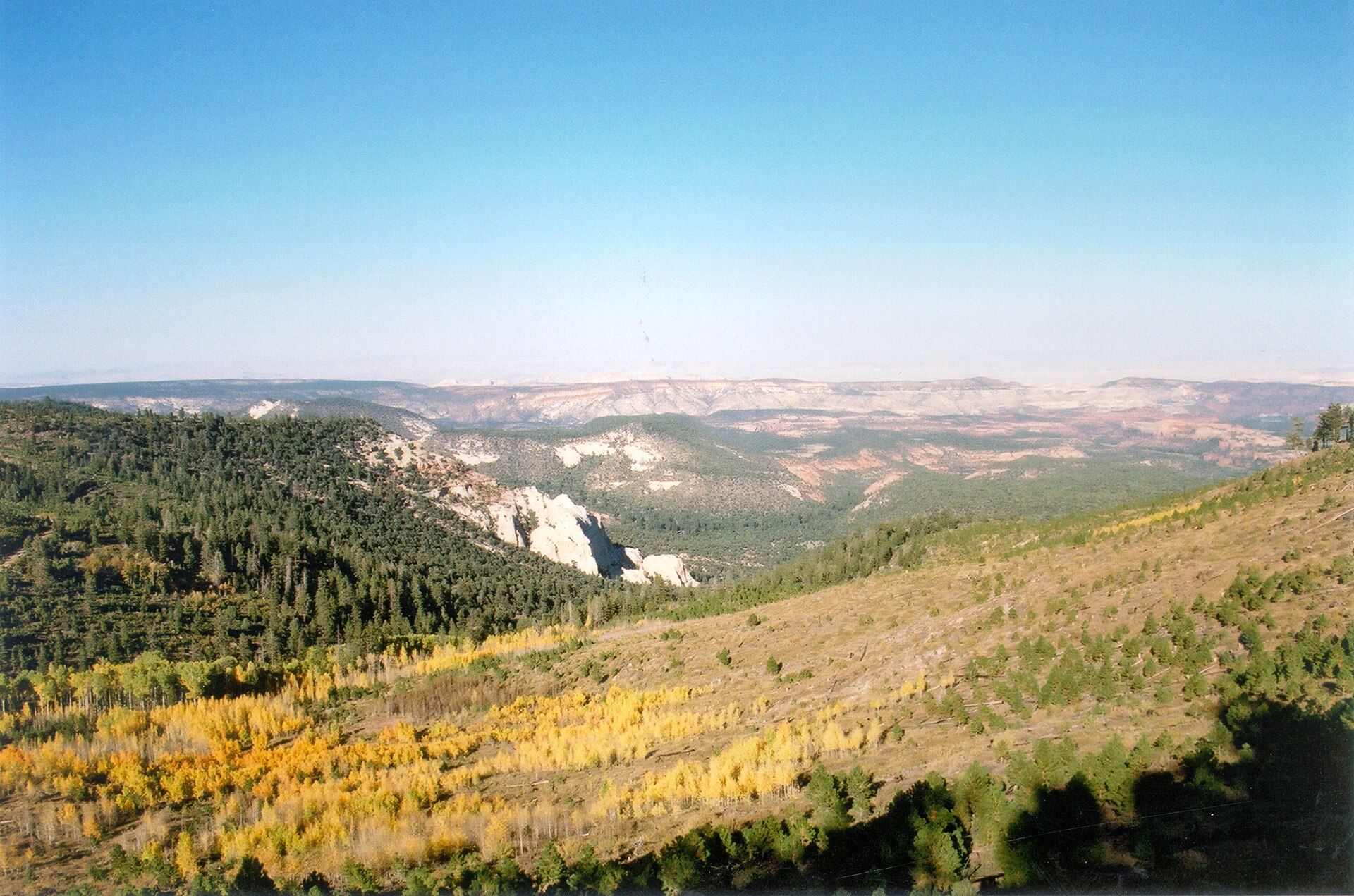
- Scenic Byway 12 (Bryce to Capitol Reef): this All-American Road climbs over Boulder Mountain above 9,000 feet, with pull-offs at Larb Hollow Overlook looking out over Capitol Reef and the Henry Mountains — budget time to actually stop. Details on the official Utah Scenic Byway 12 page.
- Grand Staircase-Escalante National Monument: runs alongside Highway 12 between Bryce and Capitol Reef; a short stop at an overlook or a slot canyon trailhead like Dry Fork adds crowd-free scenery.
- Kolob Canyons: a separate, little-visited district of Zion off I-15 — see this Kolob Canyons guide for fitting in a short detour en route from Las Vegas.
- Dead Horse Point State Park: a 30-minute detour from Moab with an overlook many say rivals Canyonlands itself.
What to Pack and Practical Driving Tips
- Water and fuel: gas stations and cell service are sparse between parks — fill up in every town you pass and carry more water than feels necessary, especially April–October.
- Layers: desert temperature swings of 30–40°F between day and night are normal.
- Footwear: sturdy hiking shoes for sandy trails; sandals or water shoes for the Narrows.
- Standard vehicle is fine for every park and road in this itinerary; 4WD is only needed for backcountry routes like Capitol Reef’s Cathedral Valley loop, outside the core Mighty 5 route.
- Book ahead: lodging in Moab, Springdale and Torrey sells out weeks in advance during spring and fall.
Frequently Asked Questions
How many days do I need for a Utah national parks road trip?
Seven days is the practical minimum to see all five Mighty 5 parks without rushing; 9–10 days is more comfortable and leaves room for detours like Grand Staircase-Escalante.
Can you do the Utah Mighty 5 in 5 days?
It’s possible but tight — expect long driving days and only a few hours at each park. It works better as a highlights trip than a relaxed one.
Should I start in Las Vegas or Salt Lake City?
Either works; Las Vegas is closer to Zion and often has cheaper flights, while Salt Lake City is closer to Arches and Canyonlands. A one-way rental lets you fly into one and out of the other.
Do I need a 4WD vehicle for this road trip?
No. Every park and route in this itinerary, including Highway 12, is accessible by a standard car. 4WD or high-clearance is only needed for specific backcountry roads outside the core route.
Is timed entry required at Arches National Park?
Not as of 2026 — Arches ended its seasonal timed-entry reservation system, though Devils Garden Campground and Fiery Furnace hikes still require separate reservations. Always check the park’s official site before you go, since rules can change year to year.
Is the America the Beautiful Pass worth it for this trip?
Yes. At $80, it costs less than paying the $150 in combined entrance fees for all five parks individually, and it’s valid at any other federal recreation site for a year.
What’s the best time of year for this road trip?
Spring (April–May) and fall (September–October) offer the most comfortable temperatures and lighter crowds than peak summer.
Can I visit the Mighty 5 without a rental car?
Not practically — the parks are linked by highway, not public transit, so a car or a guided tour with transportation is required.
Final Thoughts
A Utah national parks road trip rewards planning more than almost any other American itinerary: the driving times are real, the scenery changes completely from park to park, and the difference between a rushed 5-day dash and a comfortable 9-day loop is enormous. Start with the 7-day route above, buy the America the Beautiful pass at your first entrance gate, and leave room in the schedule for at least one detour — Highway 12 alone is worth slowing down for.
Photo credits (Wikimedia Commons): “USA Arches NP Delicate Arch(1)” by Thomas Schoch (CC BY-SA 3.0); “Bryce Amphitheater from Sunrise Point, Bryce Canyon National Park, Utah” by Christian David (CC BY-SA 4.0); “View Through Mesa Arch Canyonlands NP Utah 2023” by Larry D. Moore (CC BY 4.0); “Scenic Drive Capitol Reef National Park” by bobistraveling (CC BY 2.0); “Navajo Sandstone formations in Zion National Park, Utah” by Pierre André Leclercq (CC BY-SA 4.0); “Scenic Byway 12 – A Sweeping View from Boulder Mountain” by S. Clyde, NARA (Public domain).